Your Canadian eTA Has an Expiry Date: Here's Everything You Need to Know Before It Runs Out

Receiving an approved Canadian Electronic Travel Authorization feels like crossing a significant hurdle. The confirmation arrives by email, the status reads "approved," and the instinct is to file it away and forget about it until your departure date. That instinct, however reasonable it may seem, can lead travellers into genuine difficulty. An eTA is not a permanent travel credential. It carries a defined lifespan, and when that clock runs out, your authorisation to board a flight to Canada expires with it.
Understanding exactly how the eTA validity system works — and what to do when circumstances change — is one of the most practical things any international visitor can do before planning a trip to Canada.
How Long Does a Canadian eTA Actually Last?
A Canadian eTA is valid for five years from the date of issue, or until the expiry of the passport to which it is linked — whichever comes first. This distinction matters enormously. If your passport expires in two years, your eTA will also become unusable at that point, regardless of whether the five-year window has elapsed.
During that validity period, you may enter Canada as many times as you wish, provided each individual stay does not exceed six months. The eTA itself does not limit the number of entries; it simply sets an outer boundary on the period during which those entries are permissible. Think of it as an umbrella authorisation rather than a single-use ticket.
This multi-entry flexibility makes the Canadian eTA particularly convenient for travellers who visit Canada regularly — whether for leisure, to see family, or for short-term business purposes.
What Happens When Your eTA Expires?
Once your eTA reaches its expiry date, it becomes entirely invalid. There is no grace period, no automatic extension, and no mechanism by which an expired eTA can be reactivated. If you attempt to check in for a flight to Canada with an expired eTA, the airline's system will flag the issue and you will be denied boarding.
This is not a bureaucratic technicality that can be resolved at the airport. Airlines are legally required to verify eTA status before allowing passengers to board Canada-bound flights, and an expired authorisation will be treated the same as no authorisation at all.
The solution is straightforward but requires advance planning: you must submit a new eTA application. Fortunately, reapplying is no more complicated than the original application, and in most cases, approval is granted within minutes.
Planning a Return Visit? Check Your eTA Status First
One of the most common oversights among repeat visitors to Canada is assuming that a previously approved eTA is still valid. If several years have passed since your last trip, it is entirely possible — even likely — that your eTA has lapsed.
Before booking flights or making accommodation arrangements, verify your eTA status through Immigration, Refugees and Citizenship Canada (IRCC). Checking your status early gives you sufficient time to reapply without any pressure, and it eliminates the risk of discovering an expired authorisation days before departure.
If your eTA is approaching its expiry date but remains valid, you do not need to wait for it to expire before reapplying. Submitting a new application while your current eTA is still active is perfectly acceptable, and doing so ensures continuity of your travel authorisation.
The Passport Connection: A Critical Detail Many Travellers Miss
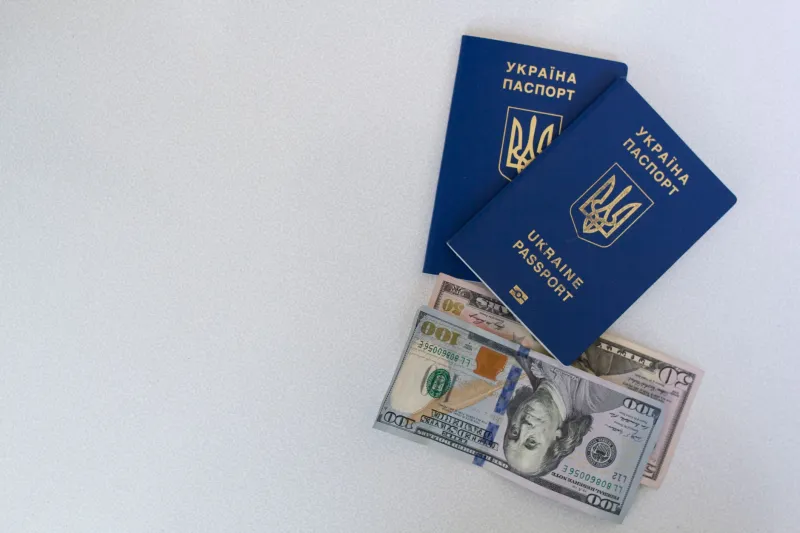
Because a Canadian eTA is electronically linked to a specific passport number, renewing your passport automatically renders your existing eTA unusable — even if it has not yet reached the five-year mark. Your new passport carries a different number, and the eTA on file with IRCC is tied to the old one.
This catches a surprising number of experienced travellers off guard. Someone who renewed their passport and assumed their eTA transferred across may only discover the problem when they attempt to check in for their flight. The fix is simple — apply for a new eTA using your updated passport details — but it requires awareness of the issue in the first place.
Whenever you renew your passport, make it a habit to also check whether any active travel authorisations need to be reissued. The Canadian eTA is one of the most important items on that checklist.
What If Your eTA Expires While You Are Already in Canada?
This scenario causes considerable anxiety among travellers, but the reality is more straightforward than many expect. Your eTA is required for boarding a flight to Canada — it is an entry authorisation, not a document that governs the duration of your stay once you are already in the country.
If your eTA expires while you are lawfully present in Canada within your permitted stay period (typically up to six months, as stamped or noted by a border services officer upon entry), you are not in violation of any immigration requirement. Your right to remain in Canada until your authorised stay concludes is unaffected by the eTA expiry.
However, if you wish to leave Canada and return — even briefly, for example on a trip across the border to the United States — you will need a valid eTA to re-enter. In that situation, you would need to apply for a new eTA before attempting to return to Canada.
How to Reapply: The Process Is Simpler Than You Think
Applying for a new Canadian eTA follows exactly the same process as the original application. You will need a valid passport from an eTA-eligible country, a credit or debit card to pay the CAD $7 application fee, and an active email address to receive your confirmation.
The application is completed entirely online through the official IRCC portal. Most applicants receive approval within minutes, though IRCC advises that processing can occasionally take several days if additional documentation is requested. Applying at least 72 hours before your scheduled departure is a reasonable buffer, and applying several weeks in advance is even better practice.
There is no penalty for reapplying, and having previously held an approved eTA does not guarantee automatic approval of a new one — each application is assessed on its own merits at the time of submission.
Building Good Habits Around Your eTA
The most effective way to avoid eTA-related travel disruptions is to treat your authorisation as an active document that requires periodic attention, not a one-time task to be completed and forgotten.
Set a calendar reminder for six months before your eTA's expiry date. Check your status whenever you renew your passport. Before booking any trip to Canada, confirm that your authorisation is valid and linked to the passport you intend to travel with. These small habits take minutes to establish and can prevent the kind of last-minute scramble that turns a planned holiday into a stressful ordeal.
Canada remains one of the world's most welcoming destinations for international visitors, and the eTA system is designed to be accessible and efficient. Keeping track of your authorisation's validity is simply the other side of that convenience — a small responsibility that ensures the door to Canada stays open when you need it most.