eTA or Visa? A Clear-Cut Guide to Canada's Entry Requirements for 2024
Canada welcomes millions of international visitors each year, yet one of the most persistent sources of confusion remains the question of entry documentation. Do you need a Canadian visa, or will an Electronic Travel Authorization (eTA) suffice? The answer depends on several factors, and getting it wrong can mean being turned away at the border or denied boarding before you even reach Canadian soil.
This guide is designed to cut through the confusion, offering a clear, structured breakdown of both pathways so that travellers can make an informed decision well in advance of their departure date.
Understanding the Basics: What Is a Canadian eTA?
The Electronic Travel Authorization is a digital entry requirement introduced by the Government of Canada in 2016. It is linked electronically to your passport and does not require a physical stamp or label. The eTA is valid for up to five years or until your passport expires—whichever comes first—and allows multiple entries into Canada for stays of up to six months per visit.
Crucially, the eTA is only available to citizens of visa-exempt countries who are travelling to Canada by air. It is not required if you are arriving by land or sea, though border officers will still verify your admissibility upon entry.
Who Needs an eTA?
Citizens of countries that have a visa-exempt agreement with Canada are required to obtain an eTA before boarding a flight to Canada. This includes nationals from the following countries, among others:
- United Kingdom – British citizens travelling for tourism, business, or transit purposes must hold a valid eTA.
- Australia – Australian passport holders are eTA-eligible and do not require a traditional visa for short visits.
- France, Germany, and most EU member states – Citizens of these nations fall under Canada's visa-exemption framework.
- Japan and South Korea – Both countries have bilateral agreements with Canada that permit their citizens to use the eTA pathway.
It is worth noting that even visa-exempt travellers who hold a valid Canadian visa are still required to obtain an eTA separately when flying into Canada.
Who Needs a Visa Instead?
Traditional visas—known formally as Temporary Resident Visas (TRVs)—are required for citizens of countries that do not benefit from Canada's visa-exemption agreements. These individuals must apply through Immigration, Refugees and Citizenship Canada (IRCC) and typically attend an in-person appointment at a Visa Application Centre.
Countries whose citizens require a TRV include:
- India – Indian passport holders must apply for a TRV, regardless of the purpose of their visit.
- China – Chinese nationals, with limited exceptions, are required to obtain a traditional visa.
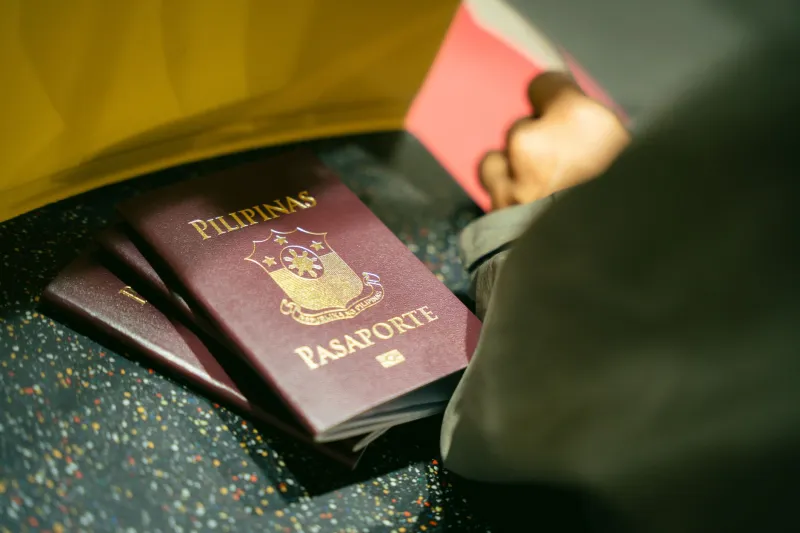
- Philippines – Filipino citizens must also go through the full visa application process.
- Mexico – Mexican nationals were previously visa-exempt but have been subject to renewed visa requirements in recent years, though ongoing policy discussions may affect this status.
For travellers from these nations, the process is more involved and typically takes longer. Applicants must demonstrate financial sufficiency, ties to their home country, and a clear purpose of travel.
The Key Differences at a Glance
| Feature | eTA | Temporary Resident Visa |
|---|---|---|
| Application method | Online only | Online or in-person |
| Processing time | Minutes to 72 hours | Weeks to months |
| Cost | CAD $7 | CAD $100 |
| Validity | Up to 5 years | Up to 10 years |
| Entry method | Air travel only | Air, land, and sea |
| Eligibility | Visa-exempt countries | Non-visa-exempt countries |
A Decision Framework: Which Do You Need?
If you are uncertain which category applies to you, work through the following questions:
Step 1: Check whether your country of citizenship is on Canada's list of visa-exempt nations. This information is available on the IRCC website and is updated regularly.
Step 2: Confirm your method of travel. If you are flying into a Canadian airport, and your country is visa-exempt, you need an eTA. If you are crossing by land or sea from the United States and hold a visa-exempt passport, you do not need an eTA—though you must still be admissible to Canada.
Step 3: Consider your purpose of travel. Both the eTA and the TRV cover tourism, business visits, and transit. However, if you intend to study or work in Canada, you will require additional permits regardless of your nationality.
Step 4: Check your passport validity. Your eTA will be linked to the specific passport you used during the application. If you renew your passport, you must apply for a new eTA.
Special Cases and Recent Policy Updates
Canada has made several adjustments to its entry requirements in recent years. Notably, citizens of the Philippines who hold a valid U.S. non-immigrant visa or a valid Canadian visa may now be eligible to apply for an eTA rather than a full TRV. This is a significant policy change that benefits frequent travellers in this category.
Similarly, lawful permanent residents of the United States who are citizens of non-visa-exempt countries may be eligible for the eTA pathway when flying to or through Canada, provided they hold a valid U.S. green card alongside a valid passport.
These nuances underscore the importance of checking the most current eligibility criteria directly through official government channels before submitting any application.
Applying for the Right Document
Once you have determined which entry document applies to your situation, the application process itself is relatively straightforward. eTA applications can be completed online in a matter of minutes, with most approvals arriving within 72 hours—though some cases may take longer if additional review is required.
For those applying for a Temporary Resident Visa, the process is more comprehensive. You will be asked to submit supporting documents, biometric data in many cases, and pay a higher application fee. It is advisable to begin this process at least three months before your intended travel date.
Final Thoughts
Understanding Canada's dual-track entry system is the first and most important step in planning an international visit. Whether you qualify for the streamlined eTA process or must navigate the more detailed TRV application, knowing your requirements early gives you the time and flexibility to prepare properly. Always verify your eligibility through official sources, and ensure your documentation is in order well before your travel date.